
ABOUT OUR DBT ART THERAPY PROGRAM
This comprehensive program is designed for adolescents aged 13-17
2x
A Week
Virtual
Sessions
ABOUT OUR DBT ART THERAPY PROGRAM
This comprehensive program is designed for adolescents aged 13-17
2x
A Week
Virtual
Sessions
Can DBT Help Your Teen?
DBT Art Therapy can be helpful for individuals experiencing the following symptoms
Anxiety and Depression
Chaotic Relationships
Dissociative Disorders
Borderline Personality Disorder
Impulsive Urges and Behaviors
Emotional Dysregulation
Suicidal or Self Harm Behavior
Past Trauma or Post Traumatic Stress Disorder
Substance Use Disorders or Addiction
What is DBT?
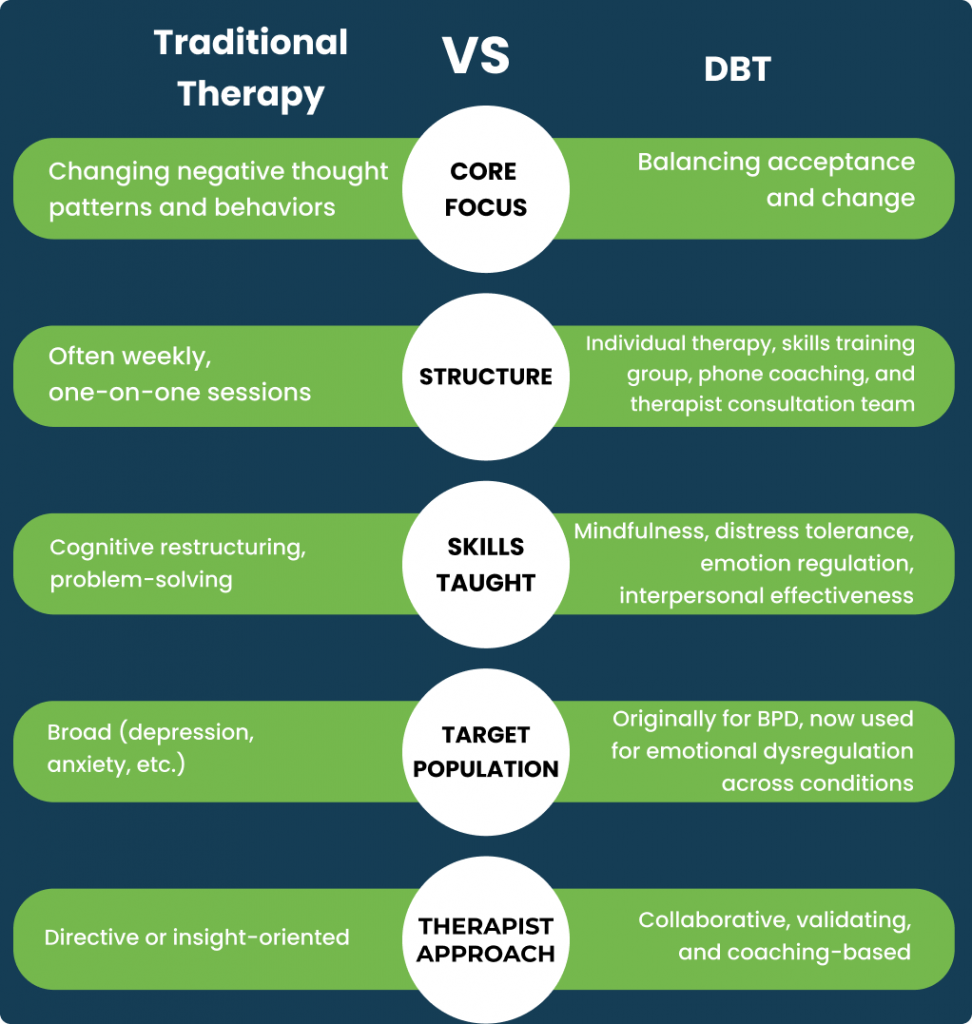
Dialectical Behavior Therapy (DBT)
is a proven type of therapy that helps teens learn how to manage strong emotions, handle stress in healthy ways, and build better relationships. It combines practical tools for coping (like those used in traditional therapy) with mindfulness — teaching teens how to stay calm and focused, even during tough moments.
DBT is different because it’s more structured and hands-on. It includes individual therapy, group skills sessions, and real-life coaching support, so your teen can practice what they learn in everyday situations.
DBT gives teens the tools they need to handle life’s challenges — and gives parents peace of mind knowing their child is learning healthy, lasting skills for emotional balance.
90.3% of DBT adolescents had no suicide attempts vs. 78.9% in tradtional control groups.
56.9% of DBT participants had no non-suicidal self-injury vs. 40.0% in traditional controls.
75.6% completion rate for DBT vs. 55.2% for individual/group supportive therapy.
How Does Art Work With DBT?
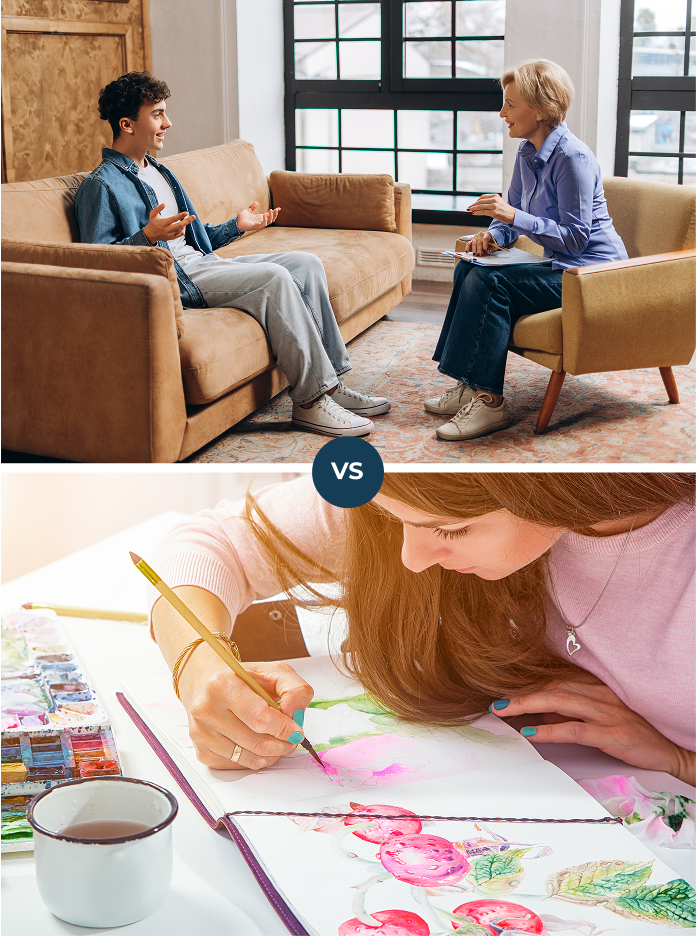
DBT Art therapy gives teens a safe and creative way to express emotions they might not be able to put into words. Through drawing, painting, or other forms of art, they can explore feelings like anger, sadness, or anxiety in a healthy, nonjudgmental space. This process helps them better understand themselves and develop coping skills for managing strong emotions.
What Tools/Skills Can My Teen Learn?
![]()
Staying Calm
![]()
Understanding Feelings
![]()
Self Acceptance
![]()
Distress Tolerance
![]()
Handling Stress
![]()
Creative Expression
![]()
Emotional Regulation
![]()
Building Confidence
![]()
Coping in Real Life
DBT FAQs
Program Fit
What challenges is this program best suited for?
This program supports teens experiencing strong emotions, anxiety, depression, self-harm behaviors, and relationship difficulties. It teaches practical tools to manage stress and build emotional balance.
Is this program a replacement for therapy, and how does it fit into other supports?
No. Aspire365 DBT Art Therapy is a supplemental program that complements other services. It is part of a wraparound care approach, and teens often participate alongside individual therapy, IOP or PHP programs, school-based counseling, or case management to reinforce DBT skills across settings.
Program Structure
What does a typical DBT Art Therapy session look like?
Each session is structured and skills-focused, combining DBT instruction with guided art activities. The art activities are used to explore and reflect on emotions, supporting skill learning rather than as open-ended art time. Teens use an art kit, workbook, and diary cards to practice skills between sessions.
Is this a group program, and how are sessions delivered?
This is a fully virtual, group-based program designed to build skills and peer connection. Clinicians guide activities step by step to support engagement and interaction. Groups are ongoing, with flexible start dates to accommodate new participants.
Who facilitates the sessions?
Sessions are led by licensed mental health professionals trained in DBT and art therapy, with experience working with adolescents in a virtual setting.
Safety and Support
How are safety and emotional support maintained in a virtual group?
Groups are intentionally small with clear expectations to maintain structure and support. Clinicians monitor participation and provide guidance if a teen becomes distressed.
How long does it typically take to see progress?
Many families notice improvements in emotional awareness and coping within the first few weeks. Continued practice and participation help teens strengthen and maintain these skills over time.
How is my teen’s progress measured and communicated to parents?
Progress is tracked through skill use, participation, and clinical observation. Parents receive updates while respecting teen privacy and confidentiality.
What happens if my teen is in crisis or needs extra support?
Clinicians follow safety protocols and coordinate with parents or outside providers if needed. While the program is not a crisis service, guidance is provided for accessing immediate support.
Enrollment and Costs
How do we enroll?
Enrollment starts with a brief intake to confirm program fit, group placement, and scheduling. Families receive onboarding details and materials before the first session.
What does the program cost, and is it covered by insurance?
Aspire365 DBT Art Therapy accepts Anthem insurance. The art kit and workbook are included in the program.