

Free Online CE Courses for Therapists
A series of monthly ASWB-certified courses for healthcare professionals
to expand their expertise and earn free Continuing Education (CE) credits.
Aspire365 University is excited to introduce Clinical Grand Rounds. Expert-led online sessions that provide a dynamic learning environment where providers can exchange insights, explore real-world challenges, and enhance patient care.
Through case-based discussions and evidence-based insights, participants will gain practical knowledge on the latest advancements in clinical practice. Whether you’re looking to refine your skills or stay current with emerging best practices, Aspire365’s Clinical Grand Rounds offer a valuable platform for ongoing professional growth.
Upcoming Schedule
The Art of Seeing What Screeners Miss: Advanced Suicide Prevention Through Clinical Intuition and Human Connection
When: Tuesday January 6 12PM–1:30PM EST
Where: Live Interactive via Zoom
Registration Deadline: Sunday January 4th, 2026
1 CE Credit Offered
Course Cost: FREE
This program has been approved for 1.0 Category A Continuing Education Credits by the National Association of Social Workers, NH Chapter. CE #4474
Course Description:
This continuing education program equips social workers with advanced skills to assess suicide risk beyond standardized screening tools by integrating clinical judgment, intuition, and evidence-based practice. Emphasizing the social work perspective, including the person-in-environment framework and cultural competence, the training uses real-world case studies and role-playing to help participants recognize subtle behavioral and communication cues that may indicate risk despite negative screening results. The course ensures practitioners build confidence in responding appropriately, while reinforcing ethical standards, best practices, and knowledge of resources, referrals, and follow-up procedures to provide comprehensive care.
Learning Objectives (ACE-Compliant):
Upon completion of this training, participants will be able to:
Critically evaluate the limitations of standardized suicide screening tools.
Integrate person-in-environment and cultural factors into suicide risk assessment.
Recognize subtle behavioral and communication patterns that may indicate risk.
Apply advanced clinical interviewing techniques to create safety for disclosure.
Use the therapeutic relationship as a tool for gathering risk-related insights.
Make ethically sound decisions when clinical intuition conflicts with screenings.
Develop comprehensive, individualized safety plans alongside standardized protocols.
Balance client autonomy with professional responsibility in determining interventions.

Meet Sara Dupont
Sara Dupont LICSW, MLADC is Clinical Supervisor at Aspire 365, a behavioral health organization, where she provides clinical leadership, supervision, and organizational development. She serves as Assistant Clinical Professor of Social Work at Plymouth State University. She is currently pursuing a Doctor of Education (EdD) in Learning Leadership at Plymouth State University, with dissertation research focused on “The Spectrum of Moral Harm in Behavioral Health: Examining the Connection Between Moral Injury and Burnout.”
Dupont holds clinical licensure in nine states and is a Licensed Independent Clinical Social Worker (LICSW) and Master Licensed Alcohol and Drug Counselor (MLADC). She maintains a private practice at Dupont Behavioral Health PLLC and is a Certified Dialectical Behavioral Therapist and Certified Clinical Trauma Professional. Her professional experience includes serving as Grant Administrator for a $248,800 Foundation for Health Communities grant addressing substance use disorder treatment in hospital settings, where she developed compassion fatigue training programs for emergency department staff and implemented stigma-reduction education for healthcare workers.
Her clinical expertise spans hospital social work, emergency psychiatric services, and program development in behavioral health settings. Dupont serves on the board of the New Hampshire Alcohol and Drug Abuse Counselors Association (NHADACA). She is a member of the New Hampshire Disaster Behavioral Health Response Team and serves on both Grafton and Merrimack County Sexual Assault Response Teams.
Sara Dupont’s scholarship focuses on workforce sustainability, moral injury, and organizational ethics in social work practice. She has presented nationally at the Council on Social Work Education annual meetings and regionally at NASW conferences on topics including ethical documentation, testimony practices, and access to services for rural substance-using populations.
I Saw a Reel About That: Social Media Therapy, Pop Psychology, and Reclaiming the Real Relationship
When: Tuesday February 3, 12PM–1:30PM EST
Where: Live Interactive via Zoom
Registration Deadline: Sunday February 1, 2026
1 CE Credit Offered
Course Cost: FREE
Couse Description:
In today’s digital culture, clients often arrive to therapy armed with therapeutic language, emotional frameworks, and self-diagnoses gleaned from TikTok, Instagram—and even therapy from ChatGPT. While this signals growing mental health awareness, it can also disrupt relational depth, integration, and authentic process.
This course examines the rise of “social media therapy,” tracing the evolution of online therapeutic content, the influence of branded therapists, and the emotional capitalism shaping today’s healing narratives. Participants will explore how therapy-speak and commodified insight impact clinical work, client identity, and the therapeutic relationship.
Through real-world case examples and practical interventions, clinicians will learn how to meet clients in their pop psychology fluency—without collapsing into it—re-centering therapy as a relational, transformative process in a culture obsessed with quick-fix healing.
Learning Objectives (ACE-Compliant):
- Recognize how platforms like TikTok, Instagram, and ChatGPT shape client self-understanding, language, and expectations in therapy.
- Explore the impact of therapy-speak, emotional capitalism, and gendered healing narratives on client identity and the therapeutic relationship.
- Assess the clinical benefits and limitations of pop psychology fluency in therapy sessions.
- Implement strategies to engage with social media-informed clients while re-centering therapy as a relational, transformative process.

Meet Hannah Tigh
Hannah Tigh is a certified Life and Health Coach with a B.A. in Political Science from St. Bonaventure University, where she also played Division I soccer. After spending over a decade coaching at the collegiate level, she transitioned into life coaching to focus on the deeper work of mindset, identity, and personal transformation. Hannah received her certifications through the Health Coach Institute and has worked with diverse populations in both wellness and clinical settings — including at Van Duyn Nursing Home in Syracuse, NY, and currently at Aspire 365. She brings both professional training and lived experience to her work and is passionate about helping people reconnect to their inner strength, challenge limiting beliefs, and lead themselves toward lasting change. She lives outside of Syracuse, NY, with her two children.
The Ethics of Self-Preservation: Addressing Burnout and Moral Injury in Social Work Practice
When: Tuesday March 3, 12PM–1:30PM EST
Where: Live Interactive via Zoom
Registration Deadline: Sunday March 1, 2026
1 CE Credit Offered
Course Cost: FREE
Course Description
This training reframes burnout and moral injury in social work as ethical issues, emphasizing that self-care is a moral obligation rather than a luxury. It explores how systemic pressures, inadequate resources, and overwhelming caseloads can compromise professional integrity, creating moral distress and unintended harm to clients. Through self-reflection and case-based learning, participants will examine the tension between individual responsibility and systemic change, develop strategies to uphold ethical practice under adverse conditions, and learn when to refuse harmful directives while fostering sustainable, meaningful approaches to social work.
Learning Objectives (ACE-Compliant):
Understand how burnout and moral injury can lead to ethical violations and compromised client care.
Recognize symptoms and triggers of moral injury in social work practice.
Reframe self-care as an ethical responsibility guided by the NASW Code of Ethics.
Navigate ethical dilemmas caused by organizational pressures and systemic barriers.
Apply strategies such as documentation, advocacy, and harm reduction to maintain ethical practice under adverse conditions.
Determine when professional duty requires refusing harmful directives or reporting unethical practices.
Differentiate between individual and systemic responsibility for ethical challenges.
Develop sustainable practice models that balance client needs with practitioner well-being.
Build advocacy strategies to address systemic causes of moral injury while preserving professional integrity.
Meet Sara Dupont
Sara Dupont LICSW, MLADC is Clinical Supervisor at Aspire 365, a behavioral health organization, where she provides clinical leadership, supervision, and organizational development. She serves as Assistant Clinical Professor of Social Work at Plymouth State University. She is currently pursuing a Doctor of Education (EdD) in Learning Leadership at Plymouth State University, with dissertation research focused on “The Spectrum of Moral Harm in Behavioral Health: Examining the Connection Between Moral Injury and Burnout.”
Dupont holds clinical licensure in nine states and is a Licensed Independent Clinical Social Worker (LICSW) and Master Licensed Alcohol and Drug Counselor (MLADC). She maintains a private practice at Dupont Behavioral Health PLLC and is a Certified Dialectical Behavioral Therapist and Certified Clinical Trauma Professional. Her professional experience includes serving as Grant Administrator for a $248,800 Foundation for Health Communities grant addressing substance use disorder treatment in hospital settings, where she developed compassion fatigue training programs for emergency department staff and implemented stigma-reduction education for healthcare workers.
Her clinical expertise spans hospital social work, emergency psychiatric services, and program development in behavioral health settings. Dupont serves on the board of the New Hampshire Alcohol and Drug Abuse Counselors Association (NHADACA). She is a member of the New Hampshire Disaster Behavioral Health Response Team and serves on both Grafton and Merrimack County Sexual Assault Response Teams.
Sara Dupont’s scholarship focuses on workforce sustainability, moral injury, and organizational ethics in social work practice. She has presented nationally at the Council on Social Work Education annual meetings and regionally at NASW conferences on topics including ethical documentation, testimony practices, and access to services for rural substance-using populations.
Beyond the Border: An Accessible and Optimistic Approach to BPD
When: Tuesday April 7, 12PM–1:30PM EST
Where: Live Interactive via Zoom
Registration Deadline: Sunday April 5, 2026
1 CE Credit Offered
Course Cost: FREE
Course Description
This continuing education (CE) lecture will provide a fresh and accessible framework for understanding and treating Borderline Personality Disorder (BPD). We will explore BPD not as a characterological deficit, but as an understandable and manageable condition stemming from an inborn emotional sensitivity to the world. This presentation will reframe BPD as a challenge in navigating this sensitivity, leading to both struggles and unique strengths. We will discuss how patterns of thought, emotion, and behavior emerge from this core vulnerability, and why these patterns can be clustered into a predictable diagnostic picture. The lecture will highlight effective, evidence-based treatment approaches, with a focus on skill-building and personal empowerment. Ultimately, this course aims to demystify BPD, reduce its associated stigma, and inspire an optimistic outlook for both clinicians and their patients, emphasizing that true growth begins when an individual takes ownership of their own journey.
Learning Objectives (ACE-Compliant):
Upon completion of this lecture, participants will be able to:
- Reframe the diagnosis of BPD as a challenge of emotional sensitivity and reactivity, rather than a characterological flaw.
- Recognize the core symptoms of BPD as predictable patterns arising from this heightened sensitivity and subsequent coping mechanisms.
- Identify the unique strengths associated with emotional sensitivity, such as enhanced empathy.
- Differentiate BPD from bipolar disorder by understanding the distinct patterns of emotional dysregulation.
- Describe the primary goals of treatment, including the use of mindfulness, radical acceptance, and cognitive-behavioral techniques to build more adaptive coping skills.
- Discuss the role of medication as a means of addressing stress sensitivity rather than curing the core condition.
- Articulate an optimistic and empowering approach to the diagnosis of BPD, encouraging patient ownership and engagement in their treatment journey.

Meet Dr. Randall Turner D.O.
Dr. Randall Turner is a double board-certified psychiatrist specializing in Psychiatry and Addiction Medicine. He earned his medical degree from Touro University Nevada and completed his residency at Loma Linda University.
Dr. Turner’s practice focuses on general adult psychiatry, geriatric psychiatry, and addiction medicine. He is dedicated to relieving suffering and fostering growth for those he treats.
In his free time, he is an accomplished musician and enjoys reading, bird watching, and traveling. He currently resides in Southern California with his wife and four children.
Recognizing and Responding to Neurodevelopmental Concerns in Children
When: Tuesday May 5, 12PM–1:30PM EST
Where: Live Interactive via Zoom
Registration Deadline: Sunday May 3, 2026
1 CE Credit Offered
Course Cost: FREE
Course Description
This course provides a comprehensive overview of neurodevelopmental disorders in children, exploring their causes and contributing factors, including genetic, prenatal, perinatal, environmental, and social influences. Participants will examine the potential consequences of unaddressed cognitive and neurodevelopmental concerns, such as academic difficulties, social challenges, behavioral issues, and long-term impacts on life outcomes. The course will emphasize recognizing signs and symptoms of cognitive or neurodevelopmental differences across various developmental domains and identifying red flags that warrant referral for formal psychological or neuropsychological testing. Learners will gain an understanding of the structure and purpose of the WISC-V cognitive indexes, including what each domain measures, and will develop skills to apply psychological testing results in clinical practice to inform diagnosis, guide intervention strategies, support school-based advocacy, and help reduce stigma.
Learning Objectives (ACE-Compliant):
Upon completion of this lecture, participants will be able to:
- Describe the causes and contributing factors of neurodevelopmental
disorders in children, including genetic, prenatal, perinatal, environmental, and social
influences. - Explain the potential consequences of unaddressed cognitive and
neurodevelopmental concerns, including academic, social, behavioral, and long-
term life outcomes. - Recognize signs and symptoms indicative of cognitive or
neurodevelopmental differences across various developmental domains. - Identify when referral for formal psychological or neuropsychological testing is warranted, based on clinical presentation and red flags.
- Understand the structure and purpose of the WISC-V cognitive indexes
and what each domain measures. - Apply psychological testing results within clinical practice to inform diagnosis, guide intervention strategies, support school advocacy, and reduce
stigma.

Meet Dr. Alexandra Picard
Dr. Alexandra Picard is a board-certified Psychiatric-Mental Health Nurse Practitioner who earned her Doctor of Nursing Practice from Columbia University. She currently serves as Assistant Medical Director for Aspire 365, a national telehealth-based mental health program, where she oversees medical programming, ensures clinical quality, and provides direct patient care.
Her clinical interests center on neurodevelopmental disorders in children and adolescents, including ADHD, Autism Spectrum Disorder, and complex mood and behavioral conditions. Dr. Picard’s work has included extensive collaboration with the foster care system, giving her unique insight into the intersection of trauma, attachment, and neurodevelopment in youth.
In addition to her clinical leadership role, she is actively involved in staff training, quality improvement initiatives, and the development of best-practice protocols. She is passionate about bridging gaps in mental health access, enhancing multidisciplinary collaboration, and translating emerging research into practical, family-centered interventions.
The Visual Voice: Creative Engagement as Clinical Intervention in Adolescent Mental Health and Substance Use Treatment
When: Tuesday June 2, 12PM–1:30PM EST
Where: Live Interactive via Zoom
Registration Deadline: Sunday May 31, 2026
1 CE Credit Offered
Course Cost: FREE
Course Description
This presentation will explore a visual arts-based engagement model as a clinical intervention strategy for adolescents in intensive treatment for mental health and/or substance use disorders. Attendees will gain insight into the rationale, structure, and outcomes associated with the Empowered Expression program, designed to enhance clinical compliance and youth-centered therapeutic integration.
Relevance:
The talk highlights how creative modalities, when woven into multidisciplinary care, can support emotional literacy, decrease treatment fatigue, and foster deeper therapeutic engagement. The session also addresses ethical incentive strategies, developmental appropriateness, and trauma-informed principles.
Learning Objectives (ACE-Compliant):
By the end of this session, participants will be able to:
- Identify at least three clinical engagement barriers commonly observed in adolescents with co-occurring mental health and substance use disorders.
- Describe the neurodevelopmental rationale for integrating visual and somatic modalities into adolescent treatment planning, citing at least two supporting theories or frameworks.
- Differentiate between verbal and non-verbal therapeutic entry points for adolescents and categorize two or more expressive modalities that can be ethically and effectively integrated into multidisciplinary care.
- Apply ethical decision-making criteria to a case example involving incentive-based engagement, clearly defining boundaries between coercive practice and trauma-informed reinforcement.
- Formulate a discipline-specific integration plan to incorporate visual engagement practices into existing clinical, case management, or peer support workflows.
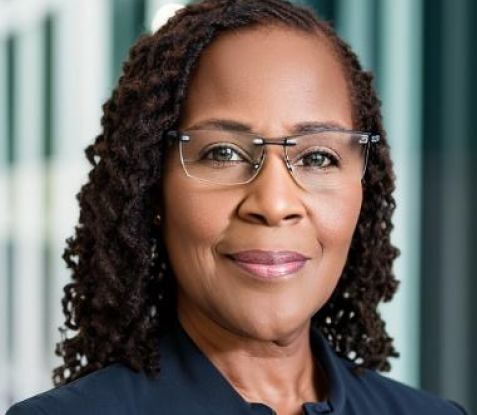
Meet Dr. Judith Belton
Dr. Judith Belton is a distinguished mental health expert, Certified Adolescent and Family Support Specialist Trainer and Supervisor, Certified Trauma Care Practitioner Supervisor, and a leading advocate for trauma-informed care. With over three decades of dedicated service to the field, Dr. Belton has become a trailblazer in transforming the lives of individuals and families impacted by trauma and those thwarted by limiting beliefs. She is a Hampton Institute, Medical University of South Carolina and Argosy/Trinity University. Dr. Belton’s terminal degree is in Psychology. Dr. Belton holds numerous certifications in Equity and Excellence in Therapy, Art Therapy, Internal Family Systems and is currently completing her DBT Certification.
As a seasoned clinician, Dr. Belton has worked extensively with diverse populations, specializing in providing trauma-informed, culturally competent care to her clients. Her empathetic and nurturing approach, combined with her deep understanding of NeuroWellness, emotional regulation, cognition and self-led empowerment, has supported countless individuals to overcome emotional dysregulation, cognitive distortions, self-abandonment, imposter syndrome, and internalized racism.
Dr. Belton’s commitment to advancing mental health extends beyond her practice. She is a sought-after speaker, author, and educator, having developed groundbreaking training and support programs, courses, and educational materials tailored to an individual’s or organization’s unique needs Her work has been recognized for its impact on dismantling barriers and addressing limiting beliefs within this community.
In addition to her clinical and educational endeavors, Dr. Belton is an influential thought leader in the field of trauma-informed care. She has contributed to research, published articles, and presented at numerous conferences, sharing her expertise on trauma recovery and self-empowerment. Dr. Belton’s mission is to change the mental health landscape. Her unwavering dedication to the well-being of her clients and her commitment to breaking down the barriers to mental health care make her a driving force in the journey “From Trauma to Triumph.”
Course Policies, Requirements, and Contact Information
- Refund Policy: This course is free; no refund policy is necessary. (All request for refunds must be made in writing through email. Written notice of cancellation will need to be received by email 24 hours prior to receive full refund. All requests should be emailed to aspire365ce@aspire365.com. No transfers allowed.)
- Cancellation Policy: If the course is canceled, participants will be notified at least 24 hours in advance.
- Accessibility: Closed captioning available for hearing impairments. Instructions on enabling captions will be provided.
- System Requirements: Zoom-compatible device. View detailed requirements here.
- Contact Information:
- Email: aspire365ce@aspire365.com
- Phone: 385-513-4932
- ACE Approved courses: Aspire365, #2289, is approved as an ACE provider to offer social work continuing education by the Association of Social Work Boards (ASWB) Approved Continuing Education (ACE) program. Regulatory boards are the final authority on courses accepted for continuing education credit. ACE provider approval period: April 14, 2025 – April 14, 2026. Social workers completing this course receive 1 total continuing education credit.
- Accommodations: Reasonable Accommodations may be requested in advance by contacting Aspire365 prior to the course
CE FAQs
CE Credits & Accreditation
Do I need to attend the full session to receive credit?
Yes. Participants must attend the entire live session and complete all required post-course steps to receive CE credit.
What is required to receive CE credit?
To receive CE credit, participants must complete all three of the following:
- Score 80% or higher (8 out of 10 correct answers) on the post-test
- Complete the course evaluation form
- Submit attendance verification
Failure to complete any requirement will result in no CE credit awarded.
Are recordings available if I miss the live webinar?
No. Live attendance is required to earn CE credit. Recordings are not available for CE credit.
Attendance & Participation
Do I need to attend the full session to receive credit?
Yes. Participants must attend the entire live session and complete all required post-course steps to receive CE credit.
What is required to receive CE credit?
To receive CE credit, participants must complete all three of the following:
- Score 80% or higher (8 out of 10 correct answers) on the post-test
- Complete the course evaluation form
- Submit attendance verification
Failure to complete any requirement will result in no CE credit awarded.
Are recordings available if I miss the live webinar?
No. Live attendance is required to earn CE credit. Recordings are not available for CE credit.
Registration & Technical Requirements
How do I register for a course?
Registration is completed directly through the Aspire365 website.
What technology do I need to attend?
You will need:
- A device with internet access
- Audio capability
- Access to Zoom (via app or browser)
What if I have technical difficulties during the webinar?
Participants are responsible for ensuring their technology functions properly. Late arrivals, early departures, or technical difficulties that prevent full attendance may affect CE eligibility.
Certificates & Documentation
Do you provide certificates of attendance or completion?
No. Aspire365 does not provide certificates of attendance or completion.
CE credit is awarded only upon successful completion of all required steps.
When will I receive my certificate?
Participants who fulfill all requirements to receive CE credit will receive their certificate within 30 days of course.
